
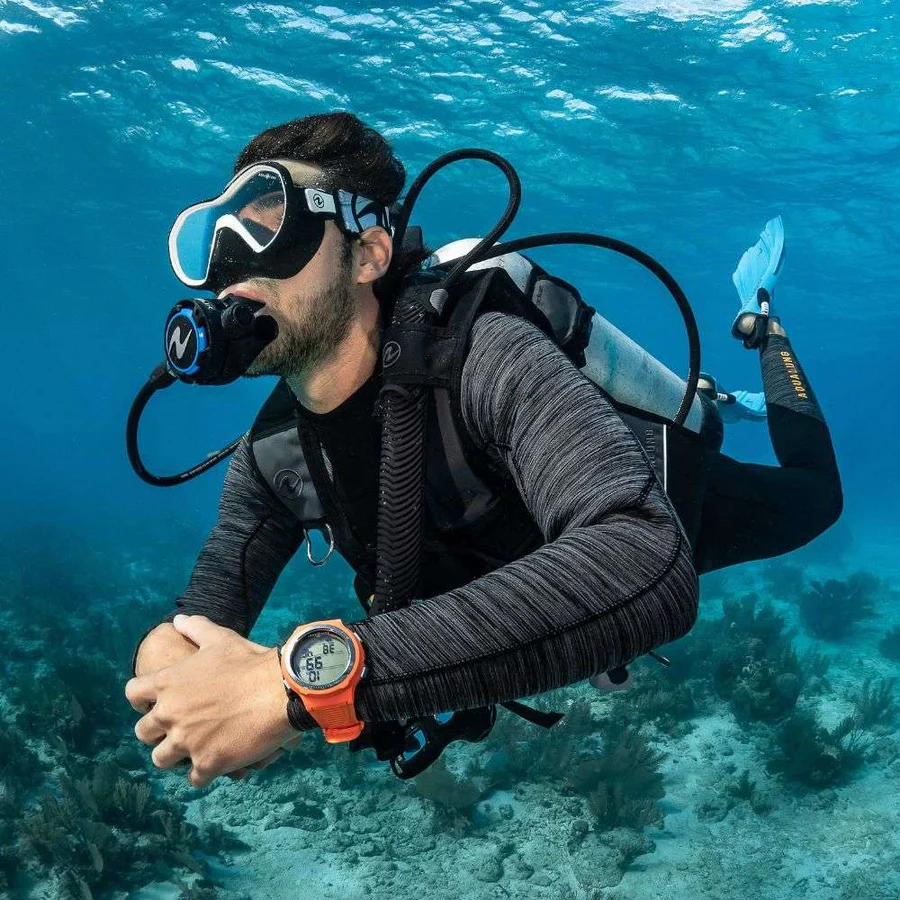
Taking the plunge into scuba diving is an exhilarating experience. Whether you’ve just passed your Open Water certification or you’re about to book your first dive trip, there’s one thing every new diver realises at some point: you want your gear. However, where do you start? Buying scuba diving equipment for the first time can feel like learning a new language. Regs? BCDs? DIN vs Yoke? It’s a lot to take in. Therefore, before you part with your hard-earned cash, you must consider a few things. Here are the key questions to ask yourself to make sure you’re getting the right gear for you.
Questions you need to ask to purchase scuba diving equipment
How often do you plan to dive?
Be honest with yourself. If you’re planning one tropical holiday a year, you might not need to go all in straight away. However, if you’ve caught the diving bug (like most of us do), investing in your kit will make your dives more comfortable, more hygienic, and often cheaper in the long run.
Start small, think about a scuba mask, snorkel and fins. These are personal items, and having ones that fit you properly makes a world of difference.
Should you rent or own the larger pieces of equipment?
Items like BCDs (Buoyancy Control Devices) and regulators are the big-ticket items. They’re not cheap. However, if you’re diving regularly, having your own is a game-changer. Ask yourself:
- Do you trust rental gear to be well-maintained?
- Will you feel more confident diving with equipment you know inside out?
- Do you want to avoid renting gear that’s been used by dozens of others?
If you answered “yes” to any of these, it might be time to invest.
Where will you be diving most?
UK waters? Warmer climates abroad? Cold-water diving often requires thicker wetsuits (or drysuits), hoods, gloves, and even heavier diving fins. When comparing diving fins, consider blade style, stiffness, and fit. Split fins offer speed with less effort, while paddle fins provide better control and power.
Tropical diving? You’ll probably want a lighter kit that’s easier to travel with.
Consider your dive destinations when selecting your equipment.
Do you consider diving a long-term endeavour?
It’s tempting to opt for entry-level gear as it’s more affordable. However, sometimes it’s worth spending a bit more upfront. Many divers end up upgrading later, which means spending more in the long run.
Try before you buy. Many dive centres allow you to test gear before committing, which is ideal for determining what suits you best.
Best scuba mask and other equipment options to choose from
When it comes to the best scuba mask options, comfort and clarity are key. The Aqua Lung Reveal X1 is a top choice, offering a super-soft silicone skirt and a wide field of view. Other favourites include the Aqualung Teknika and Aqualung Plazma, both known for excellent visibility and fit.
In addition to the masks, it is better to have Apeks, a dive regulator designed with precision. These scuba diving experiences are more comfortable.
Buying scuba diving equipment is a big step. However, it’s also part of the fun. Therefore, you must ask the right questions, get advice from trusted dive training and equipment services such as Herts Dive Club, and don’t rush the process. After all, the right gear doesn’t just keep you safe, it can make every dive feel that little bit more magical.
